
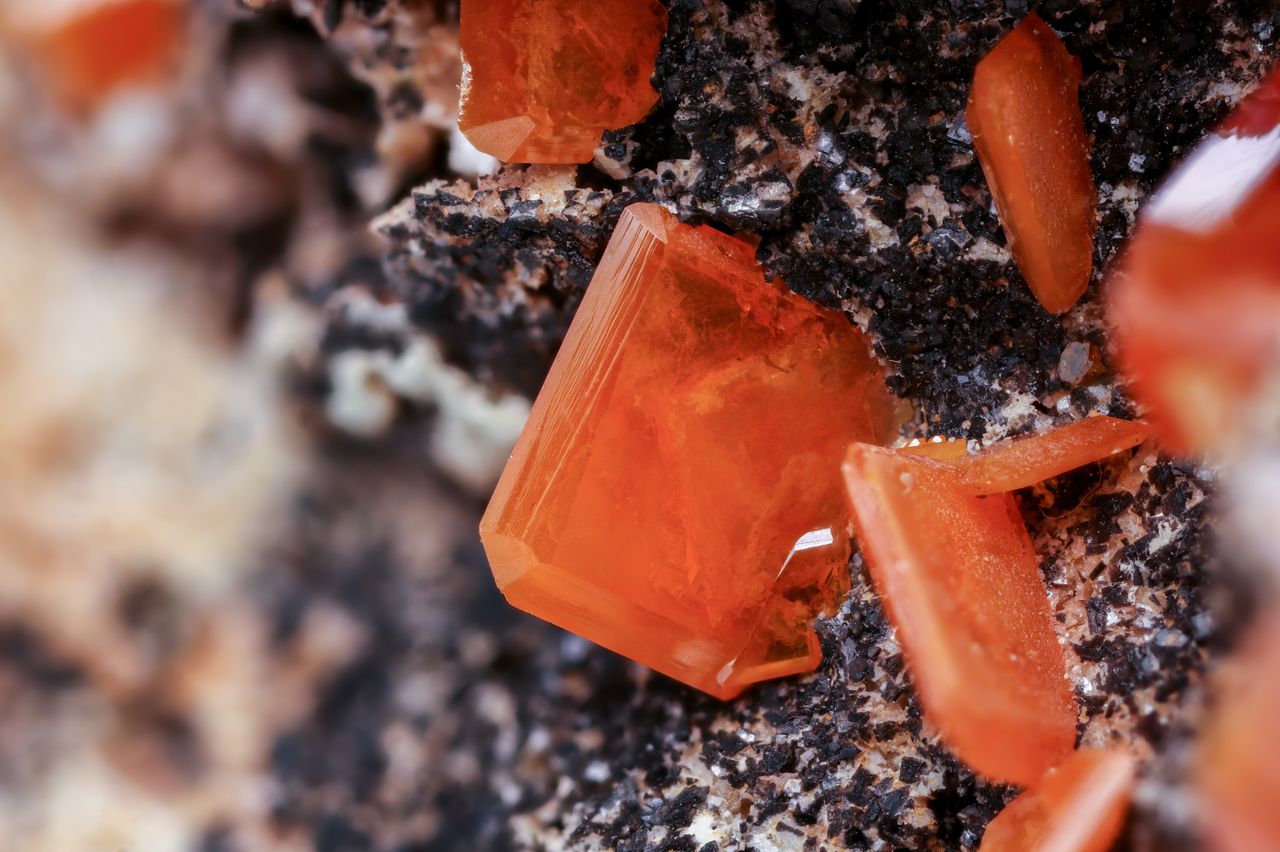
It’s a question worth getting straight, because almost every engineering material starts as something dug out of the ground. A mineral is a naturally occurring solid with a defined chemical make-up — the raw stock. A metal is a refined element extracted from it. An alloy is a metal deliberately mixed with other elements to change how it behaves. Confuse the three and you’ll misjudge cost, availability and performance.
From mineral to metal
Most structural metals begin life as an ore — a mineral that holds enough of a useful element to be worth extracting. Iron comes from haematite and magnetite; aluminium from bauxite; copper from ores like chalcopyrite. Smelting or electrolysis strips away the oxygen, sulphur and rock, leaving the metal itself. That refining step is energy-hungry, which is a large part of why some metals cost what they do.
Why we rarely use pure metals
Pure metals are often too soft, too reactive or too awkward to be useful on their own. Alloying fixes that. Add carbon to iron and you get steel; add chromium and nickel and you get stainless steel that resists corrosion. The base metal sets the character; the alloying elements tune the strength, hardness, ductility and corrosion resistance to the job.
The takeaway
When you specify a material, you’re really specifying an alloy chosen for a set of properties — and those properties trace all the way back to a mineral and how it was processed. Understanding that chain makes it far easier to judge why one grade costs more, corrodes less, or machines better than another.